
How to Optimize Your Sales Process for More Conversions
- Reading Time : 10 min
- Category : Sales Process Optimization
- Updated Date : 14-09-2026

Table Of Content
- What Is Sales Process Optimization?
- Why Your Sales Process May Be Losing Opportunities
- 6 Steps to Optimize Your Sales Process
- Where Automation Can Help
- Final Thoughts
- FAQs
What Is Sales Process Optimization?
A sales process is more than simply finding leads and asking them to buy. It includes every step between the first interaction with a prospect and the moment they become a customer. When this process is unclear, leads can be forgotten, follow ups can be delayed, sales teams can waste time, and opportunities can disappear.
Sales process optimization means reviewing each stage of the journey and finding ways to make it faster, clearer, more consistent, and easier to manage. The goal is not simply to generate more leads. It is to turn more of the right leads into customers.
Why Your Sales Process May Be Losing Opportunities
Many businesses focus heavily on lead generation but pay less attention to what happens after a lead arrives. A prospect may submit a form but receive a response several hours later. Another may speak with a salesperson but never receive a follow up. Some leads may be sitting in a CRM without a clear next action.
These small gaps can have a major impact on sales performance. A strong sales process should make it clear what happens at every stage.
| Sales Stage | Common Problem | Optimization |
|---|---|---|
| Lead Capture | Leads are handled manually | Automated CRM capture |
| Qualification | Sales teams waste time on poor fit leads | Clear qualification criteria |
| Follow Up | Prospects are contacted inconsistently | Structured follow up workflows |
| Appointments | Manual scheduling creates delays | Automated scheduling and reminders |
| Pipeline | Opportunities lack clear next steps | Defined pipeline stages |
| Closing | Deals stall without follow up | Task and follow up automation |
6 Steps to Optimize Your Sales Process
1. Define Your Sales Stages
Your team should know exactly how a lead moves through the sales process.
For example:
New Lead → Qualified → Contacted → Appointment → Proposal → Won or Lost
Clear stages make it easier to understand where every opportunity stands and what should happen next.
2. Respond Faster
Speed matters when someone shows interest in your business. Instead of relying on someone to manually check forms, emails, or messages, new leads can be automatically captured and routed to the right person. An immediate confirmation can also be sent while the sales team prepares the next step.
3. Improve Lead Qualification
Not every lead deserves the same amount of sales attention. Create clear qualification criteria based on factors such as need, budget, location, industry, company size, or buying intent. This allows your team to focus more time on opportunities with genuine potential.
4. Create a Consistent Follow Up Process
Many sales opportunities are lost because follow up depends entirely on memory. A structured process can automatically remind sales representatives when to contact prospects and trigger appropriate email or SMS communication. This keeps prospects engaged without requiring every action to be managed manually.
5. Track Every Opportunity
Your CRM should make it easy to see where opportunities are in the pipeline. Leaders should be able to identify:
• New opportunities
• Qualified leads
• Upcoming appointments
• Deals waiting for follow up
• Stalled opportunities
• Won and lost deals
This visibility helps sales teams take action before opportunities disappear.
6. Measure the Process
Optimization requires measurement. Track metrics such as lead response time, qualification rate, appointment rate, conversion rate, sales cycle length, and lost opportunities. The numbers can reveal exactly where improvements are needed.
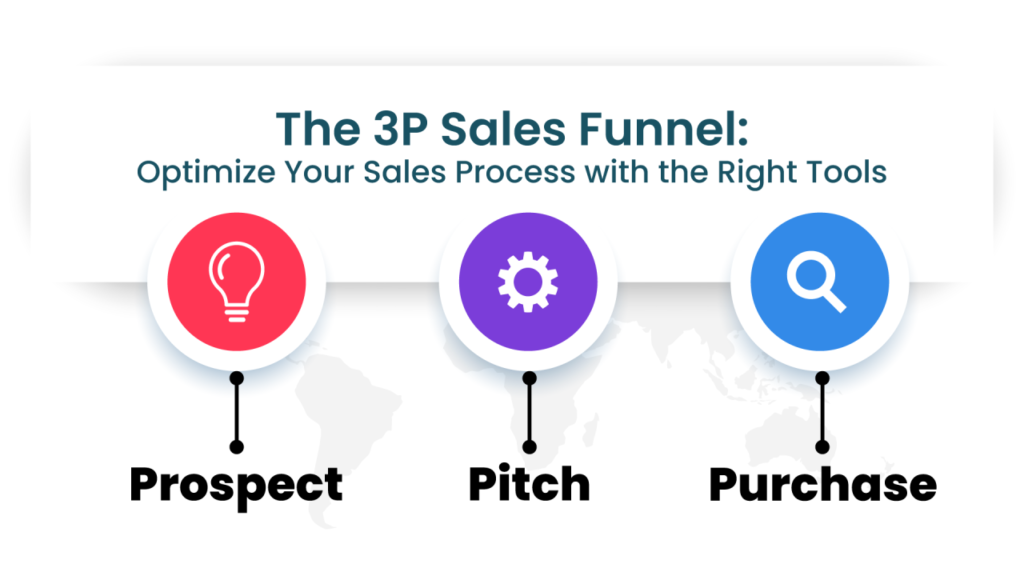
Where Automation Can Help
Automation can remove repetitive tasks from the sales process while keeping the team focused on conversations and closing deals. For example, when a new lead enters the system, automation can capture the contact, assign the opportunity, send an initial message, create a task, and begin an appropriate follow up sequence.
AI can also support lead qualification, customer conversations, information summaries, and other sales activities where it provides genuine value. The objective is not to automate the salesperson. It is to automate the work surrounding the salesperson.

Final Thoughts
A better sales process does not always require more leads. Sometimes the biggest opportunity is already inside your existing pipeline. By defining clear stages, responding faster, improving qualification, creating consistent follow ups, tracking opportunities, and measuring results, businesses can create a sales process that is easier to manage and more effective. Sales process optimization is ultimately about removing friction between interest and revenue.
Frequently Asked Questions
What is sales process optimization?
Sales process optimization is the practice of improving each stage of the sales journey to make lead management, follow ups, qualification, and conversions more efficient.
Why are businesses losing sales opportunities?
Common reasons include slow responses, inconsistent follow ups, poor lead qualification, unclear pipeline stages, and lack of visibility into opportunities.
How can automation improve sales?
Automation can handle repetitive tasks such as lead capture, notifications, follow ups, appointment reminders, task creation, and CRM updates.
What sales metrics should businesses track?
Important metrics include response time, qualification rate, appointment rate, conversion rate, sales cycle length, and lost opportunities.
Should every part of the sales process be automated?
No. Automation should handle repetitive and predictable tasks while sales professionals focus on conversations, relationships, strategy, and closing.
Build Smarter Systems With Auxth
Auxth helps businesses build connected systems for CRM, lead management, sales automation, follow ups, customer communication, scheduling, and business workflows. Instead of relying on scattered tools and manual processes, businesses can create a more organized sales operation where opportunities are captured, managed, and followed up consistently.
Ready to improve your sales process and convert more opportunities? Get in touch with Auxth today.
Related Articles
What Is GoHighLevel? The Complete Business Guide (2026)
Learn what GoHighLevel is, how it works, its key features, benefits, pricing, and why businesses use it to automate marketing, sales, and customer management.
10 GoHighLevel Features Every Growing Business Should Use in 2026
Discover the 10 most powerful GoHighLevel features that help businesses automate marketing, manage leads, build sales funnels, streamline customer communication, and improve efficiency, all from one all-in-one business platform.
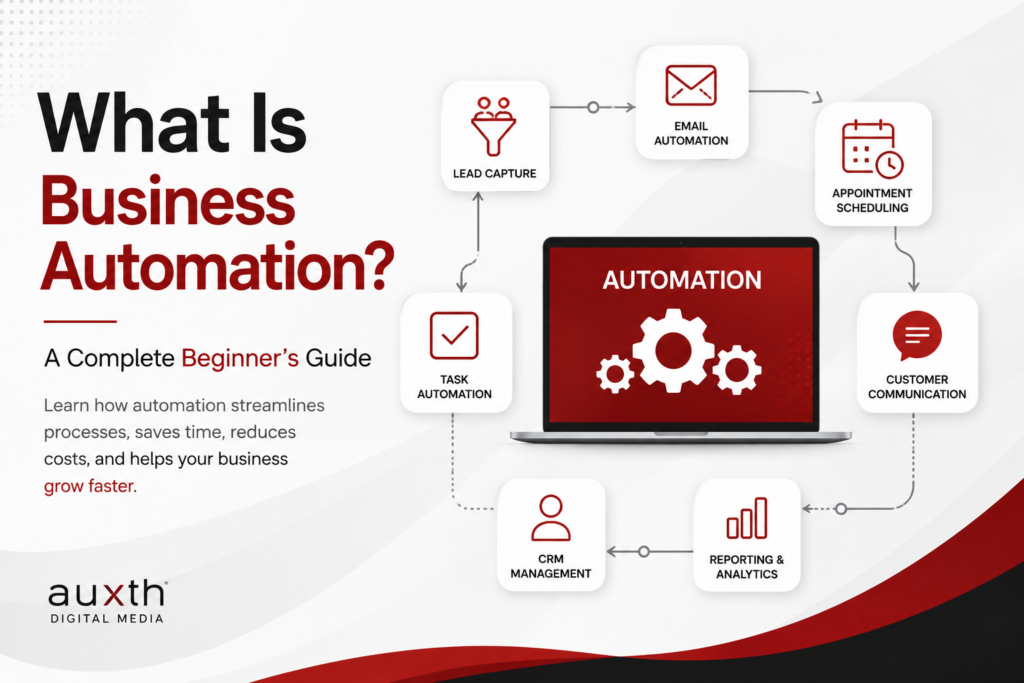
What Is Business Automation? A Complete Beginner's Guide
Discover how business automation helps companies streamline repetitive tasks, improve productivity, reduce errors, and create more efficient workflows.